
The Hidden Constraints of Monolithic B2B Portals
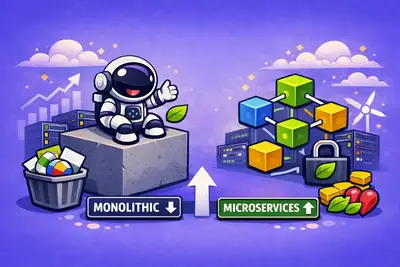
For US enterprises, a dedicated B2B portal serves as a primary operational hub, a digital sales engine, and the foundation of client retention. However, executive decision-makers frequently discover that their existing infrastructure actively resists growth. Historically, most corporate portals were built using monolithic architectures, where the visual front-end is deeply entangled with the back-end database and business logic. This rigid coupling creates a severe technical bottleneck. Whenever the marketing department requests a minor update to the user interface, or the sales team needs a new custom dashboard for a high-value account, the engineering team must unpack and test the entire application code. This structural rigidity transforms simple commercial requests into massive, high-risk IT projects.
The financial and strategic consequences of this inflexibility are profound. When an enterprise cannot adapt its digital interfaces rapidly, it experiences a severely delayed time-to-market for new product launches and service offerings. In highly competitive commercial sectors, professional buyers expect intuitive, modern digital experiences that mirror the best consumer applications. If your portal is sluggish, difficult to navigate, and impossible to personalize, you introduce massive friction into the procurement process. This frustration directly lengthens sales cycles, increases customer churn, and forces prospects to evaluate more agile competitors who provide superior digital interactions.
Furthermore, maintaining a monolithic system continuously inflates your Total Cost of Ownership (TCO). As the codebase ages and business requirements expand, the application becomes an unwieldy labyrinth of technical debt. Developers spend the majority of their expensive labor hours patching conflicts and managing server stability rather than engineering revenue-generating features. Recognizing this unsustainable financial drain is the first step toward modernization. Securing a competitive advantage requires abandoning these rigid legacy structures in favor of a flexible, modular architecture designed for continuous adaptation.
Decoding Headless Architecture for Enterprise Agility
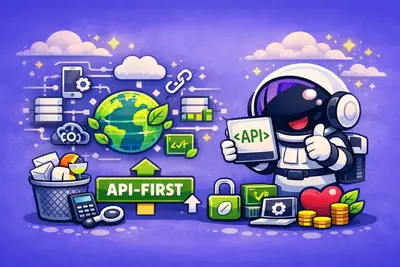
Modernizing your digital infrastructure demands a structural separation of concerns. Headless architecture represents a fundamental shift in how enterprise software is engineered and deployed. At its core, this approach deliberately severs the connection between the front-end presentation layer (what the client sees) and the back-end data repository (where pricing, inventory, and business logic reside). Instead of a tangled single system, the back-end operates purely as a secure content and data engine. It exposes this information exclusively through highly structured Application Programming Interfaces (APIs).
This decoupling grants your organization unparalleled engineering freedom. The back-end systems—whether it is your ERP, a dedicated content management system (CMS), or a sophisticated e-commerce engine—no longer dictate how information is displayed. Consequently, your development teams can utilize modern, high-performance frameworks like React, Vue, or Angular to build the front-end interfaces. You can deploy multiple, entirely distinct front-ends that all draw from the exact same central database. This allows you to serve a web portal to desktop users, a native application to mobile users, and a dedicated data feed to a partner's procurement software simultaneously, ensuring absolute data consistency across every channel.
At Codyweb, we specialize in architecting these robust, API-driven environments for complex B2B operations. Consider a national wholesale distributor that needed to provide vastly different purchasing experiences for its retail partners versus its direct enterprise clients. By migrating to a headless model, we built two highly customized, independent front-end portals. Both interfaces pulled live inventory and contract-specific pricing from a single, centralized legacy ERP via custom APIs. This architectural upgrade provided bespoke user experiences for different market segments without requiring the client to maintain two separate databases, immediately optimizing their operational efficiency.
Accelerating Time-to-Market With Decoupled Engineering
The speed at which an organization can deploy digital solutions directly dictates its capacity to capture market share. Monolithic architectures naturally throttle this velocity by forcing front-end designers and back-end engineers to work sequentially, constantly waiting for the other department to finish a task before proceeding. Headless architecture completely eliminates this developmental traffic jam. Because the systems are decoupled and communicate via a predefined API contract, your engineering squads can work in absolute parallel.
This concurrent workflow acts as a massive accelerator for corporate innovation. While the database engineers are optimizing complex pricing algorithms on the server, the front-end team can simultaneously build, test, and refine the user interface using mock data. When the marketing department demands a completely new promotional landing page within the portal to support a seasonal campaign, developers can execute the project in days rather than months. They do not need to interact with the core database logic, completely removing the risk of accidentally crashing the entire platform during a minor visual update.
This decoupling also enables rapid, low-risk prototyping. Before committing vast resources to a new product line, an enterprise can quickly stand up a lightweight, headless micro-site to test market viability and gather user feedback. If the initiative proves successful, the new interface can be scaled instantly. If it fails, the front-end can be discarded without leaving technical debris in the core system. This iterative agility ensures that your enterprise can react instantly to shifting buyer demands, empowering your teams to deploy cutting-edge features that secure a definitive competitive edge.
Hyper-Personalization as a Lead Generation Engine
A B2B portal must function as more than a passive repository for invoices and spec sheets; it must actively drive account expansion and capture new business. Generic, one-size-fits-all interfaces fail to engage sophisticated buyers. Headless architecture unlocks the capacity for extreme hyper-personalization. Because the presentation layer is entirely independent, you can programmatically alter the user experience (UX) based on the specific credentials, industry, or past purchasing behavior of the user logging in.
Imagine an enterprise software vendor offering a centralized client portal. With a headless setup, a Chief Financial Officer logging in immediately sees high-level billing dashboards, ROI calculators, and contract renewal options. Conversely, a network administrator from the exact same client company logs in and sees API documentation, uptime metrics, and technical support ticketing. This granular level of customization strips away irrelevant information, drastically reduces support inquiries, and creates a highly engaging environment that cements client loyalty and encourages platform adoption.
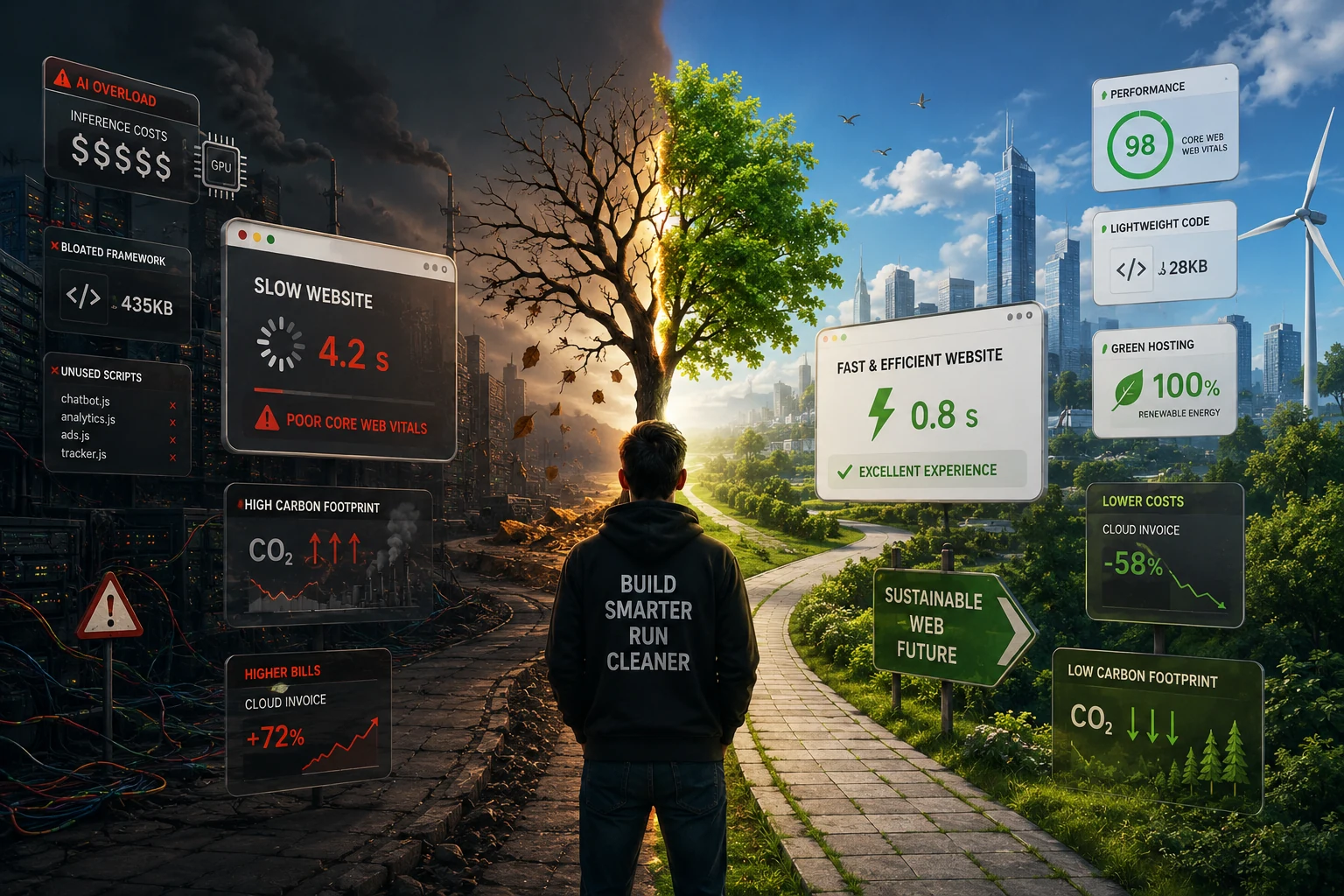
Furthermore, this architectural model provides massive advantages for organic acquisition. Search engines mandate blazing-fast load times and flawless mobile responsiveness. By utilizing lightweight JavaScript frameworks for the front-end, headless portals achieve perfect Core Web Vitals scores. This technical superiority guarantees higher search rankings for your public-facing catalog pages, driving a consistent volume of inbound traffic. By combining this SEO dominance with highly targeted, personalized landing pages, the portal becomes a highly optimized lead generation machine, smoothly guiding prospects from initial discovery straight through to high-value conversions.
Lowering Total Cost of Ownership Through Modularity
While executive boards carefully scrutinize the initial capital expenditure required for an architectural migration, a headless strategy is fundamentally a mechanism for long-term wealth protection. The financial dividends manifest clearly in the permanent reduction of your operating expenses. In a traditional setup, upgrading a legacy CMS often requires rebuilding the entire website from scratch. A headless structure eradicates this vendor lock-in. If a superior front-end technology emerges in three years, you can completely replace the visual layer without touching the expensive back-end database integrations.
This modularity allows for highly targeted infrastructure scaling, which drastically optimizes your monthly cloud computing bills. If your front-end portal experiences a massive surge in traffic due to an industry trade show, your IT department only needs to scale the lightweight presentation layer. The heavy, expensive database servers remain unbothered, processing requests efficiently via the API. This precise resource allocation prevents the financial waste of over-provisioning entire monolithic application clusters, ensuring a vastly superior Return on Investment (ROI) for your hosting budget.
Finally, a decoupled architecture simplifies maintenance and hardens corporate security. When vulnerabilities are discovered, patches can be applied to individual microservices without taking the entire global portal offline. Development teams spend fewer hours debugging tangled legacy code, allowing you to operate with leaner, highly specialized engineering squads. By treating your digital infrastructure as a collection of interchangeable, secure components, you build a resilient corporate asset that structurally lowers your baseline operating costs for the next decade.
Architecting Your Phased Transition Strategy
Acknowledging the commercial necessity of headless architecture is easy; executing the transition without disrupting active revenue streams is the true executive challenge. Attempting to shut down a legacy B2B portal and replace it overnight is a high-risk strategy that frequently ends in operational disaster. Strategic modernization requires a disciplined, phased approach that protects existing cash flow while systematically upgrading the underlying technology.
We advocate for an iterative migration utilizing the Strangler Fig pattern. This involves identifying specific, high-impact modules within your current portal—such as the product configurator or the user registration flow—and rebuilding them as isolated, headless applications. An API gateway routes user traffic intelligently between the new modern interfaces and the legacy system. This allows your organization to deliver immediate, visible improvements to your clients while steadily retiring obsolete code in the background, ensuring absolute business continuity.
Transitioning successfully also requires strict alignment across your marketing, sales, and IT departments. Leadership must ensure that the newly developed APIs enforce rigorous data security standards, guaranteeing compliance with essential frameworks like SOC 2 or HIPAA. By partnering with a specialized engineering firm, your enterprise secures the technical expertise necessary to map these complex data structures accurately. Stop allowing a rigid, outdated portal to throttle your commercial growth. Embrace a decoupled, API-driven architecture to build a highly secure, blindingly fast digital platform that actively scales your revenue and dominates your market sector.
- vote(s)