
The High Cost Of Digital Invisibility In The AI Era
In the fiercely competitive American market, a website that merely functions as a digital placeholder is a liability. By 2026, the shift toward Generative Search Experience (SGE) and AI-driven discovery engines has fundamentally altered the path to conversion. Many small business owners are witnessing a steady decline in lead volume despite stable traffic numbers. This disconnect often stems from a failure to adapt to Information Gain requirements—Google’s preference for unique, expert-led content over the generic, AI-generated filler that has saturated the web. If your site provides the same answers as a basic LLM prompt, search engines no longer have a reason to prioritize your domain.
Visibility now requires a transition from broad keyword targeting to Entity-Based SEO. Search engines map relationships between your brand, your physical location in hubs like Los Angeles or New York, and the specific problems you solve for your clients. For a specialized engineering firm or a boutique consultancy, this means your site must prove its authority through technical, original insights that AI cannot replicate. When your digital architecture fails to communicate this expertise clearly, your potential leads are diverted to competitors who have optimized for semantic discovery and high-intent queries.
The frustration for most founders lies in the invisible nature of these failures. You might have a visually stunning interface, but if the underlying metadata lacks Structured Data or if your content fails the "Helpful Content" assessment, your brand remains hidden from your most valuable prospects. Solving this requires a shift in perspective: your website is no longer a static brochure; it is a dynamic data source that must feed search algorithms the specific proof points they need to verify your business as a leader in its niche.
Technical Debt And The Performance Tax On Growth
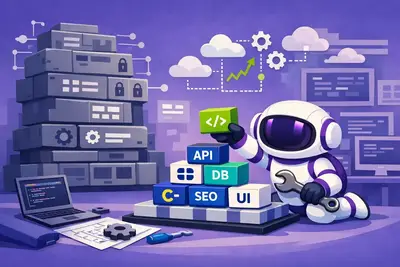
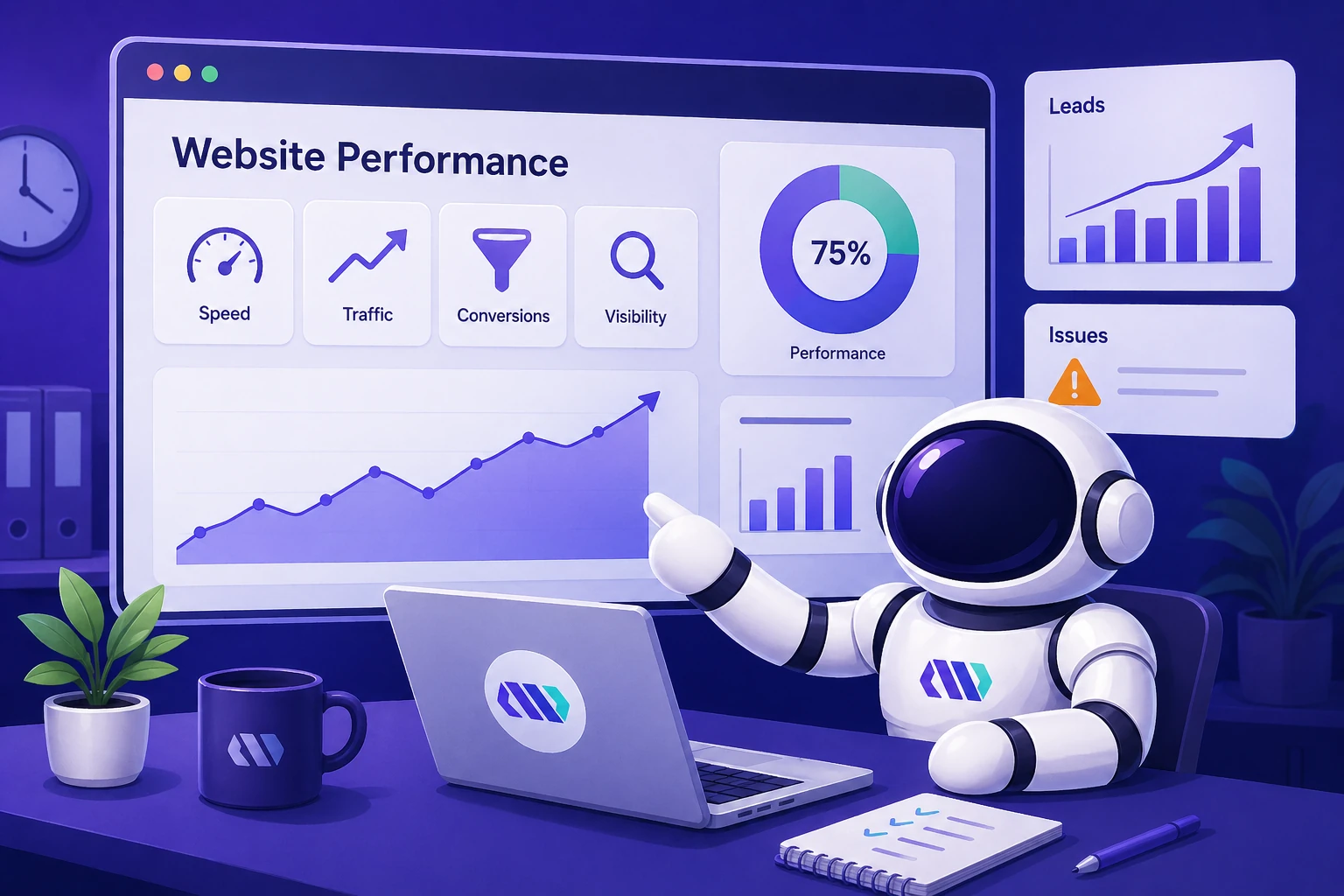
While aesthetics often drive the initial investment in a website, Technical Debt is what ultimately kills the Return on Investment. Many SMBs rely on legacy CMS platforms burdened with excessive plugins and unoptimized code. In an era where Core Web Vitals are a primary ranking factor, a delay of even a few hundred milliseconds can trigger a massive drop in user retention. For a tech startup in Santa Monica, a sluggish site isn't just a technical glitch; it is a brand failure that signals a lack of sophistication to potential investors and enterprise clients.
Optimizing for performance in 2026 involves more than just image compression. High-performing sites now utilize Edge Computing and server-side rendering to ensure that content is delivered at high speed, regardless of the user's location. By reducing Total Blocking Time (TBT) and ensuring a stable visual layout, you create an environment that encourages users to stay longer and engage deeper. This technical polish serves as a subconscious trust signal, moving the prospect closer to a "Request for Proposal" without the friction of a lagging interface.
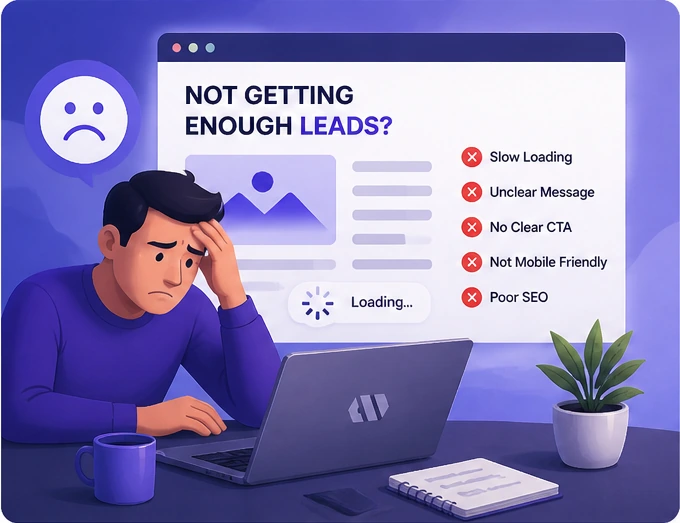
Consider a local logistics provider whose clients need to access shipping data on the go. If the mobile interface is clunky or slow, the user will immediately pivot to a competitor with a more responsive system. Custom Development allows you to strip away the bloat of generic themes, resulting in a site that is significantly faster than standard installations. This speed advantage directly translates into higher search rankings and a lower Cost Per Lead (CPL), as your site successfully captures and converts traffic that your slower competitors are losing.
The Impact Of Infrastructure On Conversion Rates
Infrastructure is the foundation of digital sales. When your backend is optimized, you eliminate the bounce rates associated with technical errors. Key areas where custom architecture outperforms off-the-shelf solutions include:
- Minified Code Execution: Reducing the weight of JavaScript and CSS to prioritize the main thread.
- Advanced Caching Strategies: Implementing object caching and Content Delivery Networks (CDNs) to serve pages locally to the user.
- Optimized Database Queries: Ensuring that lead capture forms and search functions respond instantly even under high traffic loads.
The Shift From Keyword Volume To Conversion Intent
The traditional SEO playbook of chasing high-volume, generic keywords is officially obsolete. In the current landscape, Zero-Click Searches account for a significant portion of all queries, meaning users often find the answer they need without ever leaving the search results page. To capture actual leads, your strategy must pivot toward Bottom-of-Funnel (BOFU) keywords that indicate a high readiness to buy. This involves identifying the specific pain points your audience faces—such as regulatory compliance hurdles or technical scalability issues—and positioning your services as the definitive solution.
For example, instead of targeting "Los Angeles Marketing Agency," a successful firm might target "B2B Lead Generation for Aerospace Manufacturers in California." This focused approach attracts a smaller but infinitely more qualified audience. By aligning your content with the User Intent of decision-makers who are ready to sign a contract, you bypass the window shoppers and focus your resources on the prospects that drive revenue. This strategy requires a deep understanding of your Ideal Customer Profile (ICP) and the specific language they use when searching for professional partners.
Successful lead generation also relies on Information Architecture that guides the user toward a specific action. Each page on your site should serve a clear purpose in the Buyer's Journey. If a visitor lands on a blog post, the internal linking should naturally lead them to a related case study, and finally to a consultation booking form. This guided path reduces the cognitive load on the user and significantly increases the likelihood of a conversion. When your site behaves like a well-trained sales representative, the ROI of your organic traffic becomes much easier to quantify and scale.
Establishing Authority Through Proprietary Insights
Google’s E-E-A-T (Experience, Expertise, Authoritativeness, Trustworthiness) guidelines have become the ultimate gatekeeper for B2B search visibility. To rank well in 2026, you must demonstrate Experience—first-hand knowledge of your industry that cannot be hallucinated by an AI model. This is best achieved through Data-Driven Case Studies and original research. When you publish a report on industry trends in the Los Angeles tech sector or a deep dive into how you solved a specific technical challenge for a client, you create a barrier around your brand that generic sites cannot cross.
Trust is the most difficult asset to build online but the easiest to lose. Beyond testimonials, your site must feature Authority Signals such as third-party certifications, secure data handling badges, and transparent pricing structures. For a specialized service provider, showing the professional background of your leadership team adds a human element that fosters connection. In a world where AI personas are becoming common, authentic Personal Branding integrated into your corporate site is a powerful differentiator that drives high-quality inquiries.
A manufacturing client in the South Bay, for instance, might not care about "digital transformation" in the abstract. They care about how your specific software solution reduced their production downtime by 15% over six months. By leading with these concrete outcomes, you satisfy the search engine's desire for expert content while simultaneously answering the prospect's most pressing question. This alignment between SEO requirements and Sales Enablement is the hallmark of a high-performing digital strategy.
Advanced Lead Capture And User Journey Optimization
Most B2B websites lose leads because their "Call to Action" (CTA) is either too aggressive or too hidden. A modern Lead Capture Strategy recognizes that not every visitor is ready to buy on their first visit. By offering a multi-tiered approach—such as a "Soft CTA" like an industry whitepaper for early-stage prospects and a "Hard CTA" like a demo request for late-stage buyers—you build a funnel that nurtures leads over time. This approach respects the longer sales cycles typical of the US professional services market.
Furthermore, your contact forms should be optimized for Conversion Rate Optimization (CRO). Data suggests that every unnecessary form field reduces conversion rates by significant margins. Leading firms use Progressive Profiling to collect user data over multiple interactions, ensuring the initial barrier to entry is as low as possible. When combined with Behavioral Triggers—such as an exit-intent offering a relevant resource—you can recapture traffic that would otherwise have been lost forever.
To truly maximize your site’s potential, you must also consider Mobile-First Conversion. With more executives conducting initial research on smartphones during commutes or between meetings, your lead forms must be exceptionally easy to complete on a small screen. This includes using click-to-call buttons and simplified navigation menus. When you make it effortless for a prospect to reach out, you remove the final hurdle between a search query and a signed contract.
Lead Generation Best Practices In 2026
Turning traffic into revenue requires a clinical focus on the user's needs. Implement these strategies to stay ahead of the curve:
- Interactive Assessments: Using quizzes or ROI calculators to provide immediate value while qualifying the lead.
- Dynamic Content Personalization: Adjusting the homepage message based on the visitor's industry or previous interactions.
- Real-Time Engagement: Implementing AI-driven chat that can answer technical questions and book meetings without human intervention.
Frequently Asked Questions Regarding Lead Performance
Why did my organic lead volume drop after the latest search update?
Search engines have shifted toward rewarding Information Gain. If your site contains content that is easily replicable by AI or lacks specific, first-hand expert insights, its ranking will suffer. Additionally, technical performance requirements have become stricter; a site that fails on mobile speed or layout stability is now penalized more heavily than in previous years.
How does custom web development improve my SEO?
Custom development allows for a "clean code" approach, removing the bulk associated with themes and plugins. This results in faster load times, better indexation for search engine crawlers, and the ability to implement precise Schema Markup that helps AI discovery engines understand your business entities and services more effectively.
What is the most effective way to capture B2B leads today?
The most effective method is providing high-value, ungated content that proves your expertise, followed by a low-friction "Soft CTA." This builds trust before asking for personal information. For high-intent traffic, ensure your contact forms are minimal and your value proposition is clear within the first five seconds of the landing page experience.
Modernize Your Digital Presence For Scalable ROI
The digital landscape of 2026 does not reward complacency. As search algorithms become more sophisticated and AI-driven discovery becomes the norm, the gap between high-performing websites and average ones will only widen. To ensure your business continues to thrive, you must view your website as a Strategic Asset that requires ongoing optimization and refinement. This isn't just about fixing a site; it's about building a scalable engine that can adapt to the next wave of technological shifts.
Investing in custom development and an expert-led SEO strategy provides the highest long-term ROI for any US-based small business. By prioritizing speed, authority, and user intent, you create a platform that not only ranks well today but is resilient enough to handle the algorithm updates of tomorrow. The most successful founders understand that their digital presence is the primary driver of their Enterprise Value. Now is the time to audit your current performance, identify the bottlenecks in your funnel, and implement the high-impact changes needed to turn your website into your most productive sales channel. Contact us to start your technical evaluation and secure your market position.
- vote(s)